
If you’re ordering custom medals for a school competition, sports event, or official ceremony, price is usually one of the first questions that comes up—and for good reason.
The truth is, there’s no single fixed price for custom medals. Costs can vary significantly depending on production method, medal size, and order quantity. In this guide, we’ll walk through what custom medals typically cost, share a detailed reference price table, and explain a few practical ways to control your budget without compromising the final result. Our goal is simple: help you make smarter decisions before you place your order.
How Much Do Custom Medals Cost on Average?
As a general reference, a 2-inch custom medal with a quantity of 100 pieces usually costs around $2.50 per unit.
From there, pricing mainly moves in two directions:
- Larger sizes increase the unit cost
- Higher quantities lower the unit cost
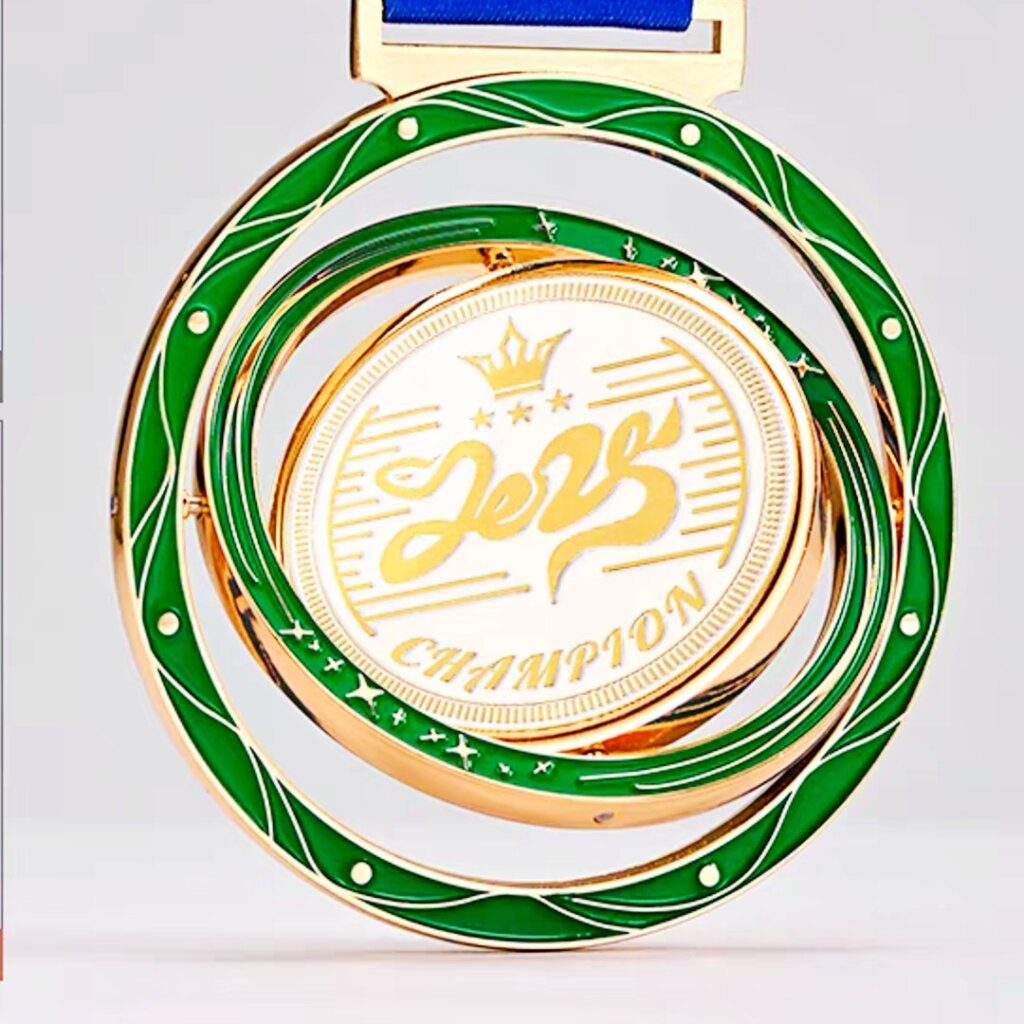
Most custom medals fall within the 2-inch to 3-inch range, which offers a good balance between appearance and affordability. Medals larger than 3 inches—especially oversized designs—can look impressive and feel premium, but the price rises quickly.
Oversized medals can look impressive, but they come with a significant price jump. For example, a 4-inch custom medal often costs $5–$8 per unit or more, depending on the design and finish. Unless you have a generous budget or a very specific purpose, jumping to this size is usually not the most cost-effective choice.
Why Quantity Has Such a Big Impact on Price
You’ll often hear that “the more you order, the cheaper each medal becomes,” but there’s a practical reason behind this—not just a pricing strategy.
During production, factories typically manufacture 20-30% extra medals as backup. These extras are used to replace any pieces that may develop defects during casting, coloring, or plating. This safety margin exists whether you order 100 medals or 1,000.
When you increase your order quantity, you’re essentially purchasing those backup pieces at a very low marginal cost. That’s why larger orders feel disproportionately more cost-effective—it’s a win-win situation for both you and the factory.
What About Mold Fees?
You may also hear suppliers mention a mold fee during the customization process. Some will tell you this fee is “fixed,” but from a direct factory perspective, mold cost is closely tied to medal size.
Larger medals require larger molds, more material, and more machining time, which naturally increases the mold cost. To make this clearer, we’ve included a reference table showing typical mold fees by common medal sizes below, so you know what to expect before moving forward.
| Size | Mold Fee |
|---|---|
| 2” Medal | US$64 |
| 2.5” Medal | US$70 |
| 2.75” Medal | US$81 |
| 3” Medal | US$87 |
| 3.5” Medal | US$105 |
| 4” Medal | US$124 |
How the Medal Itself Affects the Final Price?
Beyond size and quantity, the medal itself plays a major role in determining unit cost. Material choice, surface finish, and overall design complexity all influence pricing—sometimes more than people expect.
Let’s take a closer look.
Material
Copper and zinc alloy are the two most common materials used for custom medals, but they serve very different purposes.
Copper medals generally cost more than zinc alloy, and they’re best suited for simpler designs with clean shapes. Copper is harder and more rigid, which limits how much detail or structural complexity it can support. Because of this, copper medals are typically cast rather than deeply cut.
If your design includes strong 3D depth, layered structures, or moving parts, zinc alloy isn’t just a better option—it’s the only realistic one. Zinc alloy is easier to shape, cut, and refine, making it ideal for 3D medals, rotating elements, or more sculpted designs.
Budget tip:
If your design is relatively flat and straightforward, copper can work beautifully. But once you move into complex or functional designs, zinc alloy will save you both time and redesign costs.
Plating
For most medals, standard plating options—such as gold, silver, or antique finishes—are priced very similarly. Choosing gold over silver usually won’t change your cost in any meaningful way.
Price differences only start to appear when you choose special finishes, such as:
- Dual plating
- Multi-tone or layered plating effects
These require extra processing steps and tighter quality control, which naturally increases the cost.





Budget tip:
A standard plating finish paired with thoughtful design details often delivers the most polished look for the lowest cost.
2D, 3D, and Enamel Effects
Design style also affects pricing, but not always as much as people assume.
- 2D designs are the most economical
- 3D designs cost more mainly because the mold itself is more expensive
- Enamel coloring adds visual richness without dramatically increasing cost
For most medals, using 3–5 enamel colors has little effect on pricing. Higher color counts—10 or more—can increase costs, but this is far more common in designer pins than in medal designs. In practice, enamel is one of the most cost-effective ways to enhance detail and color in a medal.
Budget tip:
A well-balanced enamel design usually offers the best return on visual impact versus cost.
Special Shapes and Functional Designs
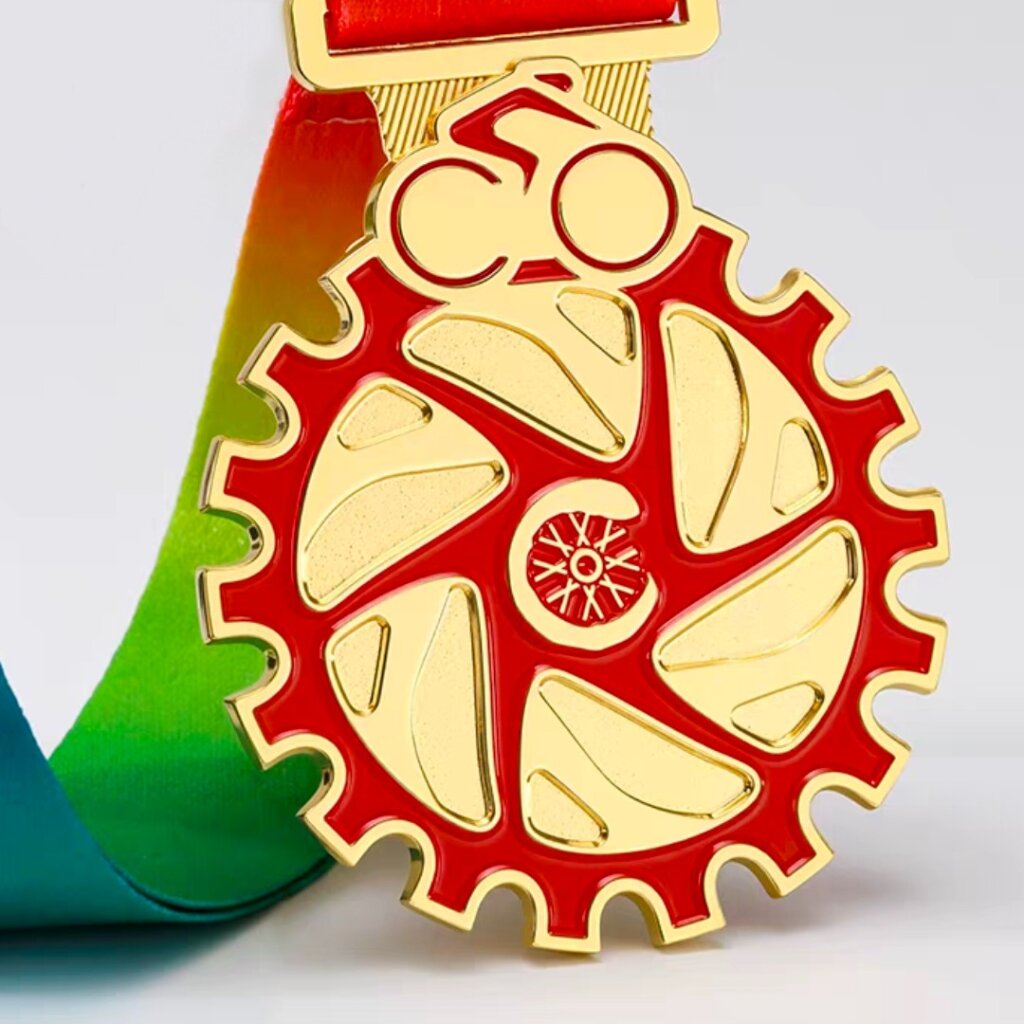
Medals shaped like bottle openers or other custom silhouettes may look complex, but shape alone does not increase the price.
Mold costs are determined by size, not shape. Whether your medal is round, shield-shaped, or designed as a functional opener, the pricing structure remains the same as long as the size stays unchanged.
Budget tip:
Feel free to explore creative shapes without worrying about added costs—as long as the size stays reasonable.
Ribbon Costs
In most cases, standard medal ribbons are priced very similarly, regardless of color or pattern. Costs only increase if you request fully custom-woven or specialty ribbons.
For school events and sports competitions, standard ribbon options are usually more than sufficient and won’t significantly affect your budget.
Conclusion
When it comes to custom medal pricing, the biggest cost differences usually come from size, quantity, and structural complexity, not from small visual choices. By understanding how materials, finishes, and design decisions affect production, you can create medals that look great while staying comfortably within budget.
If you’re still weighing different options, feel free to reach out to our team for a clearer breakdown. We’re happy to provide detailed pricing for each option so you can make a more informed and efficient decision.
