 Skip to content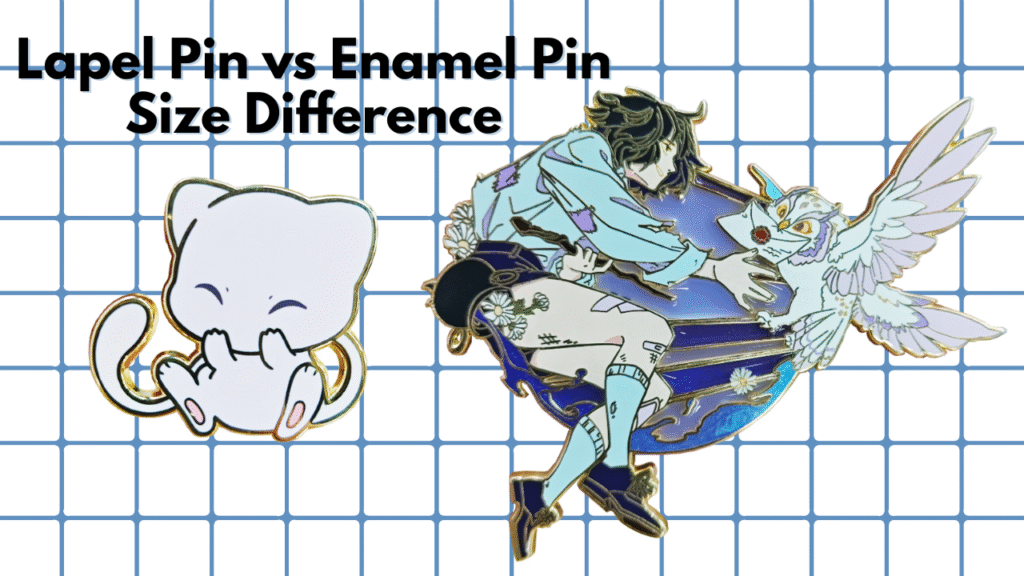
If you’ve ever searched for custom pins, you’ve probably seen both “enamel pin“ and “lapel pin“ thrown around.
Are they the same thing?
Kind of. But not exactly.
Let’s break it down together.
Quick Comparison: Enamel Pin vs Lapel Pin
| Feature | Enamel Pin | Lapel Pin |
|---|---|---|
| Definition | Based on how it’s made (enamel process) | Based on how it’s worn (on clothing) |
| Size Range | Any size (1–6 inches or more) | Usually 1–2 inches, small and wearable |
| Purpose | Collectibles, gifts, branding, art | Fashion, identity, uniforms, events |
| Material/Style | Enamel (soft or hard), metal finishes | Any style—can be enamel or not |
Different Terms, Different Perspectives
Here’s the most important thing to know:
👉 “Enamel pin” and “lapel pin” are two different ways to describe the same item—from different angles.
- “Enamel pin” refers to how the pin is made. If a pin uses enamel—whether soft enamel or hard enamel—it falls under this category.
- “Lapel pin” refers to how the pin is used. A lapel pin is something small and light enough to wear on your clothing, typically on the lapel of a jacket.
So yes, many pins can be both at once.
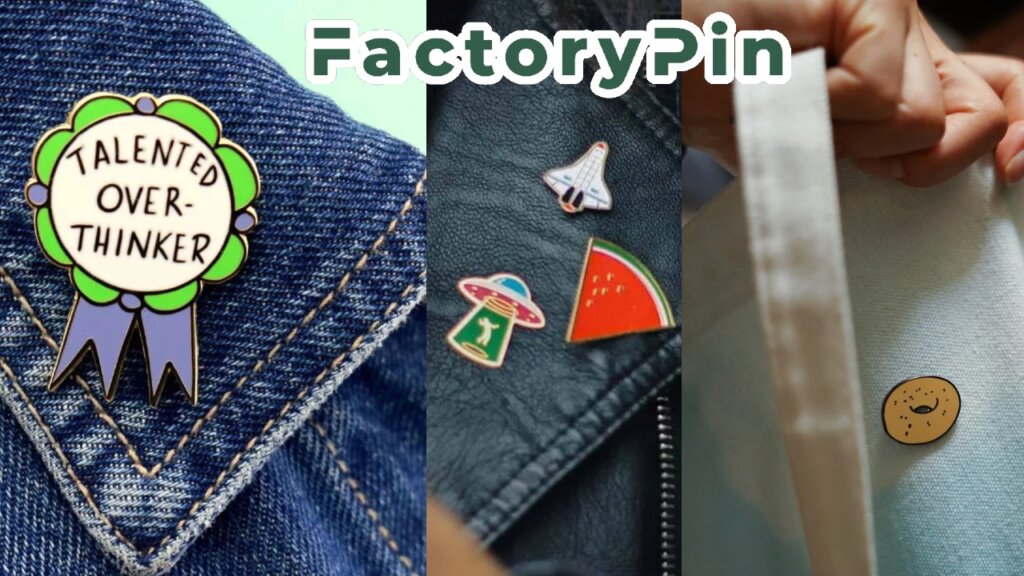
For example, a 1.5-inch hard enamel pin with a butterfly clutch fits both definitions—it’s made with enamel and wearable on a lapel.
Why the Two Terms?
Both terms describe the same type of pin—just from different angles.
In the U.S., people often say “lapel pin” because pins were traditionally worn on jackets for identity or formal events.
In art, collector, and designer communities, “enamel pin” is more common because it highlights the craftsmanship and style.
So depending on the context, the same pin may be called differently.
Final Thoughts
Both names work.
If the pin is small and wearable, it can be considered both an enamel pin and a lapel pin.
Just choose the term that matches your audience or purpose.
And if you’re ready to create your own custom pins—whether wearable for uniforms or artistic for collectors—we can help bring your idea to life.
Send us your design and let’s get started.

