 Skip to content
Lapel pins! Those tiny metal badges of honor, personality, and sometimes, questionable fashion choices. Whether you’re a seasoned designer, a newbie with a brilliant idea, or just someone who wants to commemorate their cat’s epic nap, this guide is your ultimate resource for creating custom lapel pins. We’ll cover everything from initial design to final production.
Part 1: How to DIY a Lapel Pin at Home (Yes, Really!)
When people say lapel pin, they usually mean the size and use, not the exact production method. Technically, hard enamel, soft enamel, die-struck, or offset-printed — they can all be lapel pins.
But here’s the catch: not every pin-making method is suitable for at-home crafting. The reason soft enamel works best for DIY is that you can easily buy ready-made white blanks — often made with resin or even 3D-printed bases — that already have the raised outlines of your design. From there, the most important step is coloring, which is completely in your control. Once the paint is filled in, a soft enamel pin is essentially finished.
Hard enamel, on the other hand, requires an extra polishing process after coloring, along with high-temperature baking — steps that simply aren’t practical at home.
The following DIY process is one that a customer of ours, who enjoys experimenting with new effects, shared with us. It’s not factory-level perfection, but it’s a fun and surprisingly effective way to create enamel-style pins at home.
Step-by-Step: Make a Lapel Pin at Home
1. Get Your Blank Pin Base Made
Start by ordering the metal blanks. These are usually white, unpainted pins made of resin or PVC, similar to unpainted figurines. They come pre-molded with your design’s shape and raised outlines, but without any color or finish — perfect for DIY work.
The good news? These blanks are relatively affordable and don’t require a custom mold like metal pins do. You can often find them on crafting platforms or marketplaces like Temu, Etsy, or AliExpress — no need to contact a full pin manufacturer unless you’re looking for something highly customized.
Choose a base with a design you like (or create your own if you have access to 3D printing), and you’re ready to move on to the fun part: coloring and decorating.
2. Gather Your DIY Tools
Here’s the basic starter kit:
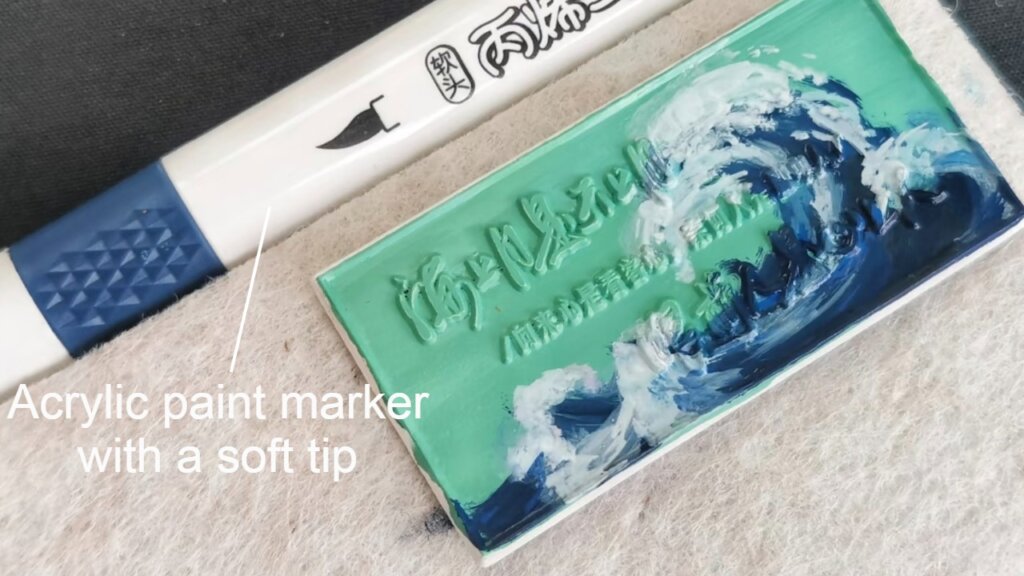
- Acrylic paint markers (soft tip for better blending)
- Glitter or shimmer powder (optional for effects)
- AB epoxy resin (for a glossy dome)
- UV lamp (for curing the resin)
- Alcohol wipes or cotton pads (for clean-up)
3. Start Coloring
Use your acrylic markers to fill in the recessed areas of the pin, just like coloring in a very tiny coloring book. If you want gradient or blended effects, use soft-tip markers and gently smudge or blend the colors before they dry completely.
Tips:
- Let each layer dry fully before adding another.
- For blending, wait until the first color is half-dry for best results.
- Don’t worry if some color gets on the metal edges — you can clean it off later.
4. Add Special Effects (Optional)
Want a bit of magic? Before sealing, you can sprinkle in fine glitter or shimmer powder. Just make sure everything is dry before the next step.
5. Apply the Epoxy Resin Top Coat
Once you’re happy with the coloring and effects, it’s time to seal everything in. Slowly spread a thin coat of resin over the surface. A toothpick helps control the flow. Cure it under the UV lamp until hardened.
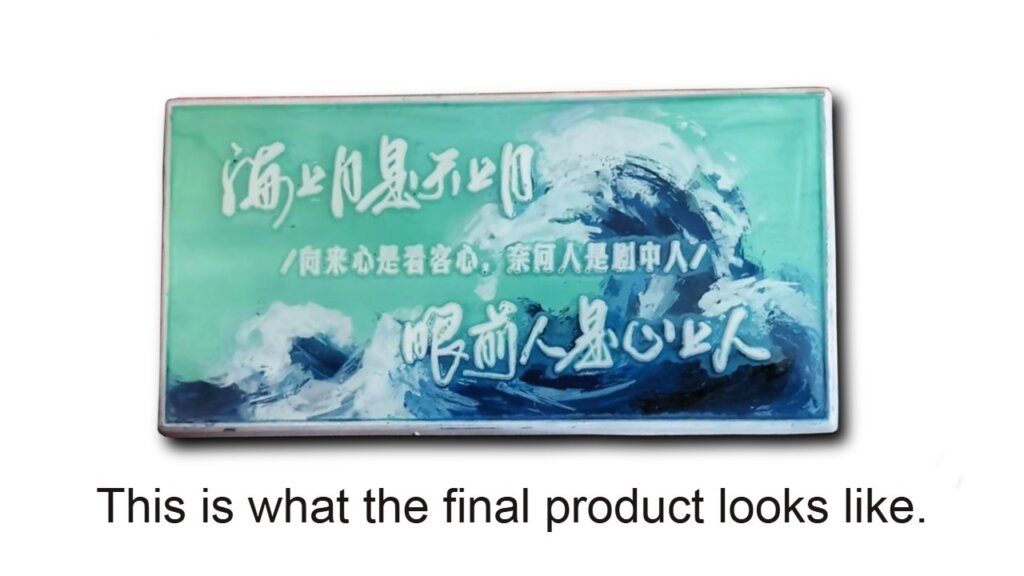
Result? A surprisingly durable, shiny lapel pin you made yourself!
💡 Bonus: This DIY enamel pin method is perfect for testing out color schemes. Some designers even send their handmade sample along with Pantone codes to us when they’re ready to mass-produce.
Part 2: Mass-Producing Lapel Pins – Work with a Factory the Smart Way
DIY is fun, but when you’re ready to scale up, nothing beats working with a professional factory. A typical custom lapel pin production process involves:
- Mold creation based on your design
- Stamping the metal base
- Plating with finishes like gold, nickel, black dye, etc.
- Filling enamel colors or applying special effects
- Polishing, coating, and packaging
Sounds straightforward, right? In reality, a smooth project depends on good communication and attention to detail. Here are a few lessons learned from thousands of orders at Factorypin:
✅ Always Approve the Digital Proof Carefully
This might sound obvious, but it’s the #1 place where things go wrong. Double-check your spelling, plating finish, pin position, and size. One of our past clients — a pin designer based in Hainan — accidentally misspelled “Jujutsu Kaisen” by omitting an s. Unfortunately, the mistake was on the front of the design and made it all the way into the mold. At that point, it’s too late to fix without remaking everything.
So take your time when reviewing proofs. A few extra minutes of attention can save you weeks of delays and extra costs.
✅ Ask for Progress Updates and Color Checks
Once production starts, it’s okay — even encouraged — to check in with your factory rep. Ask for photos or videos of progress, especially if your design includes specific Pantone colors or special effects like glitter or transparent enamel.
Factories handle multiple orders at once, and while most are pretty accurate, checking in helps ensure your pin looks the way you envisioned.

Ready to Go Beyond DIY?
DIY lapel pins are a fun way to experiment with colors, textures, and personal touches — and a great way to test out your ideas. But once you’ve landed on a design you really love, or if you’re ready to produce in bulk, it might be time to take things to the next level.
At Factorypin, we help artists, collectors, and small brands bring their custom lapel pins to life — with reliable quality, friendly service, and quick turnaround. Whether you’ve fine-tuned your design by hand or just have an idea in mind, we’re here to make the process smooth and stress-free.
Ready to turn your vision into pins you can proudly share (or sell)?
Let’s make it happen »

