 Skip to content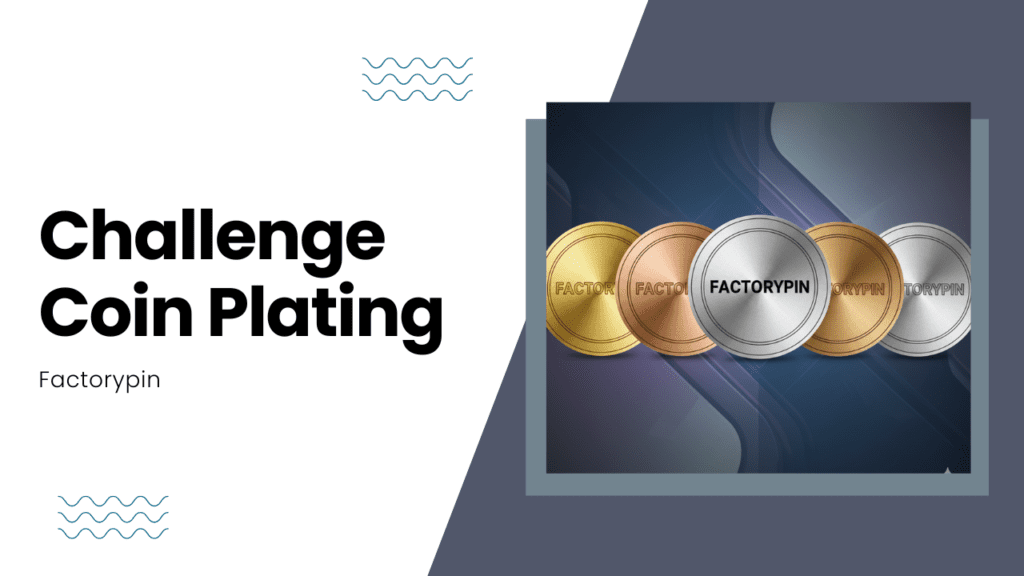
Many challenge coins come in a wide range of metal colors—gold, silver, black, antique bronze, and more. But here’s something that often surprises people: those colors don’t mean the coins are made from completely different metals.
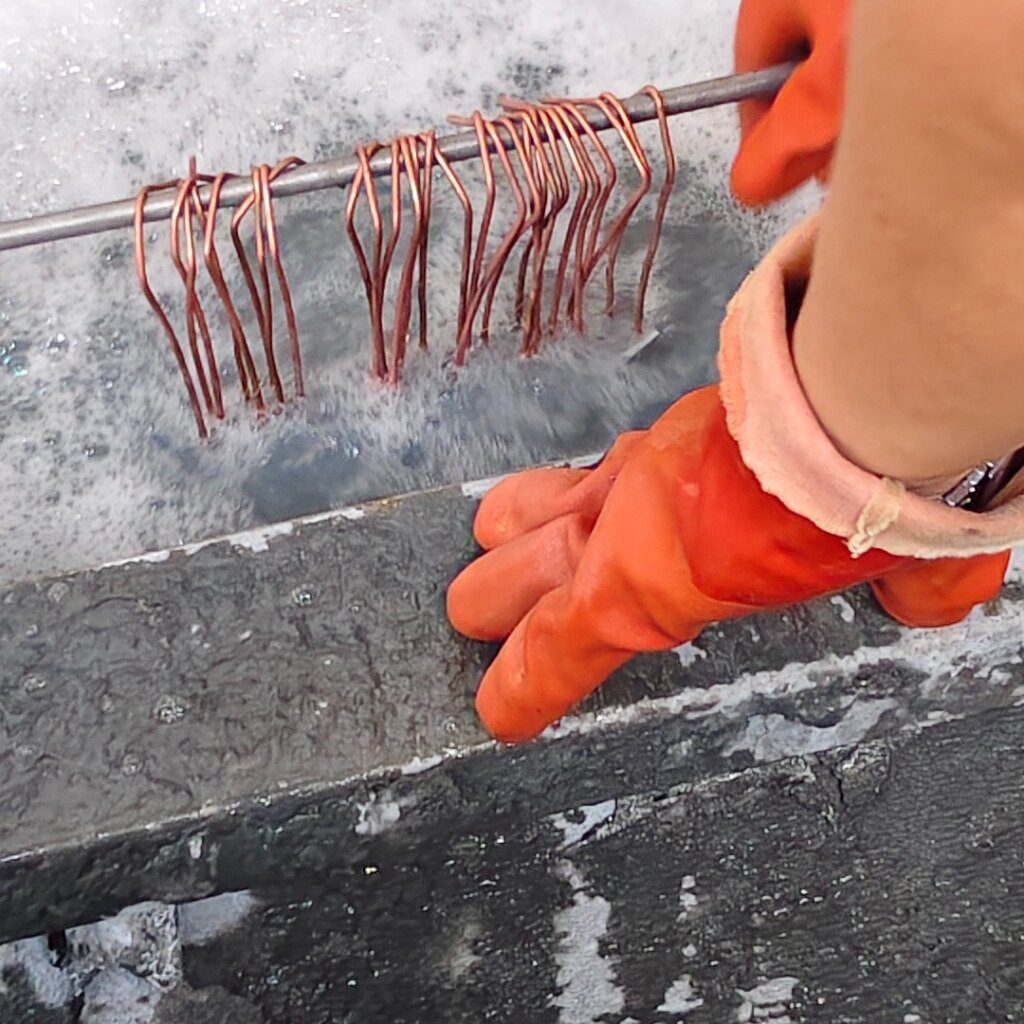
In reality, most challenge coins are made from iron, copper, or zinc alloy as the base material. The final look comes from a metal plating layer applied on the surface. This plating is what gives a coin its color, texture, and overall style.
The base material you choose determines which plating options are available, how complex the design can be, and how much the coin will cost. If you want a deeper explanation of base materials and pricing, you can check our detailed guide on what coins are made of.
With that foundation in mind, let’s focus on what really defines a coin’s appearance: plating.
Common Coin Plating Options
For most standard plating finishes, material compatibility is not a major concern. Gold, silver, black nickel, and copper plating can be applied to challenge coins made from iron, copper, or zinc alloy.
The main differences come down to:
- How much detail the base material can support
- Whether advanced techniques like 3D sculpting or custom edges are involved
- Overall production cost


In simple terms, basic plating finishes are flexible. The real limitations start to appear when you move into antique finishes.
When Antique Plating Is (and Isn’t) a Good Choice
Antique plating creates depth by darkening recessed areas and highlighting raised details. While it looks great on many designs, it’s not suitable for every situation.
First, if your challenge coin includes enamel color, antique plating is generally not recommended. The aging effect can interfere with enamel areas, dulling colors and reducing contrast. If clean, vibrant enamel is important to your design, a standard shiny or matte plating will deliver better results.



Material choice also matters with antique finishes. For example:
- Antique copper or antique bronze works especially well on copper challenge coins, enhancing their natural warmth and weight.
- Antique silver, however, cannot be applied effectively to copper-based coins. In this case, zinc alloy is the better choice, offering both compatibility and sharper detail.
This is one of the most common areas where material and plating decisions need to work together.
Dual Plating
Beyond standard and antique plating, many clients choose dual plating, also known as two-tone finishes. This process combines two different finishes on a single coin—such as gold with black nickel or silver with antique accents.
Dual plating is a popular option because it:
- Adds visual contrast
- Creates a more premium, layered look
- Helps highlight specific elements of a design
Zinc alloy is typically the preferred base material for dual plating, as it offers the best control and consistency for complex finishes.
Making Your Coin Design Into Reality
If you have a design in mind and aren’t sure which plating or finish will work best, Factorypin can help. As a direct manufacturer, we look at your design, base material, and production goals together to recommend the right solution. From classic finishes to antique and dual plating options, we make sure your challenge coin looks exactly the way you imagine it—without unnecessary complexity or cost.

