How to Make Your Own Enamel Pin?
Creating your own enamel pin is easier than you think. As long as you have a design, the rest of the process can be handled for you—from production to final delivery. Whether it’s for your brand, an event, or personal use, your idea can be turned into a finished pin without complicated steps.
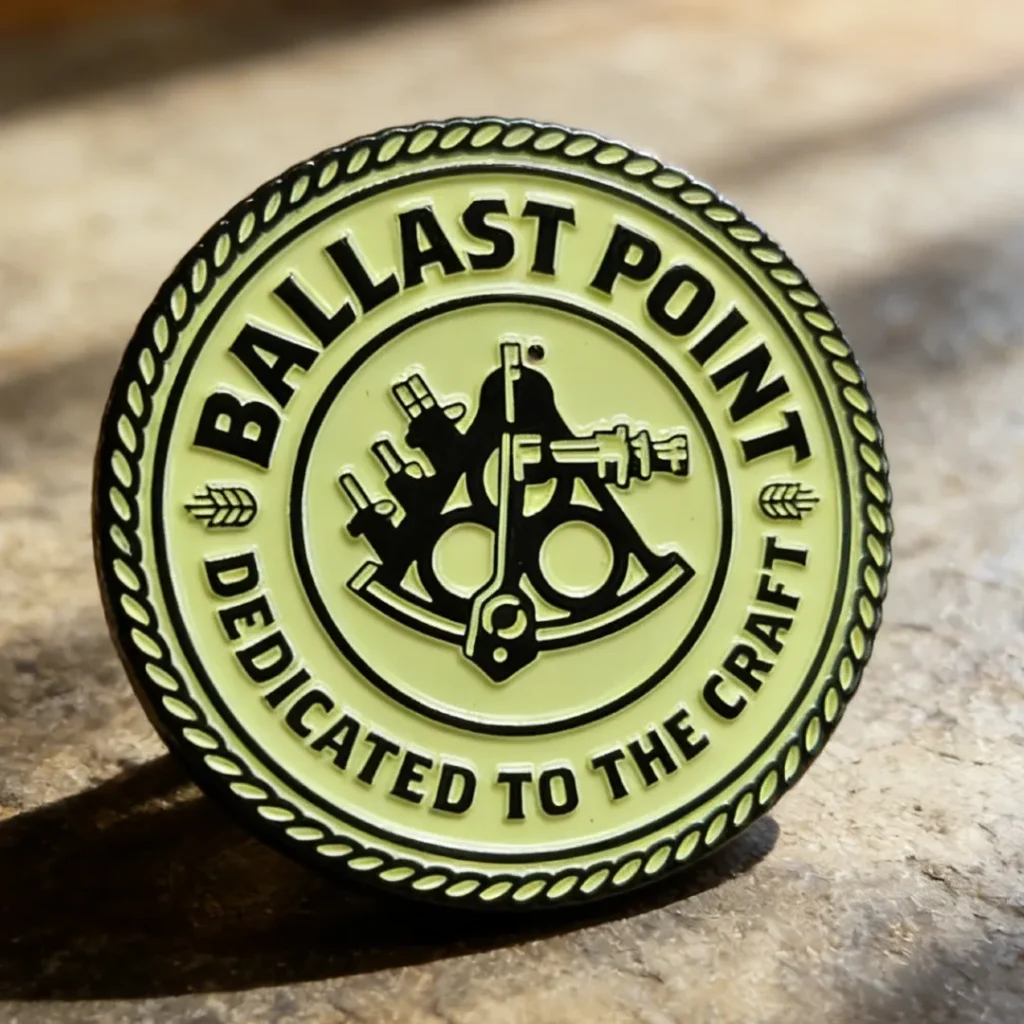

STEP 1
Prepare Your Design Files
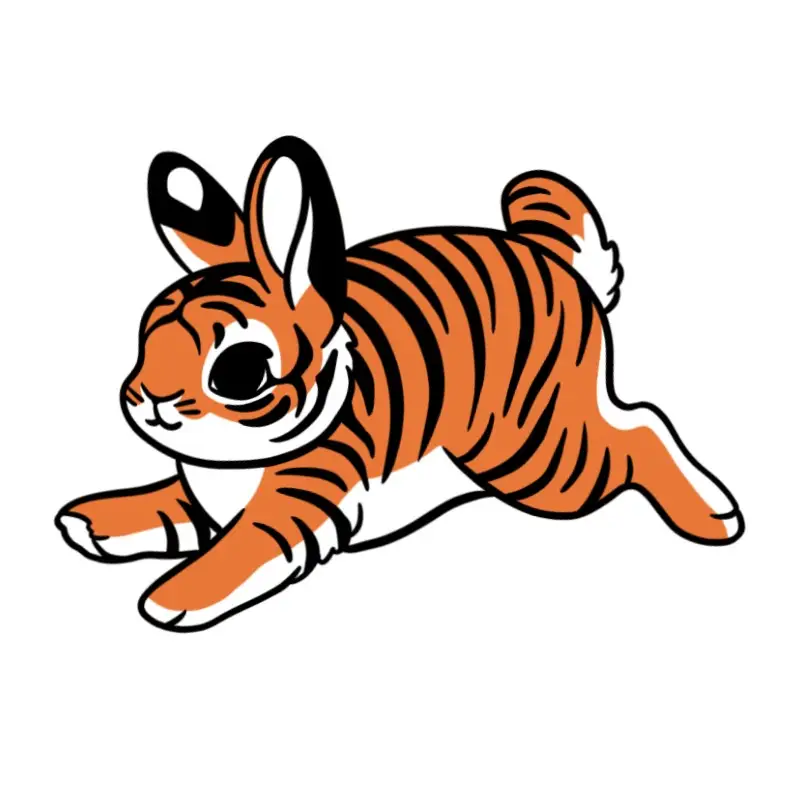
You’ll need a simple graphic or logo to get started. Common file formats like AI, PSD, JPG, or PNG are all acceptable. If your file isn’t in vector format, our designers can convert it into a production-ready AI file and separate the layers for manufacturing.
However, we don’t provide design-from-scratch services based on ideas alone. You’ll need to provide a clear visual design before production can begin.
How do I submit my design?
You can upload your artwork directly when submitting the form on our website, or send it to [email protected]. A dedicated representative will follow up with you to handle the details.
How long does it take to get a response?
We usually reply within 24 hours. During working hours, you can often expect a response the same day.
What if I don’t have a design yet?
You can sketch it, hire an artist, or use templates—but keep shapes clean and avoid extremely thin lines. If you need help getting started, check out our guide on how to design enamel pins even if you can’t draw.
Can I use the same design for different styles?
Yes. The same design can be produced with different plating options or special effects. Just let your representative know what you’re looking for, and they’ll guide you through the options.
STEP 2
Turn Your Design into a Production File
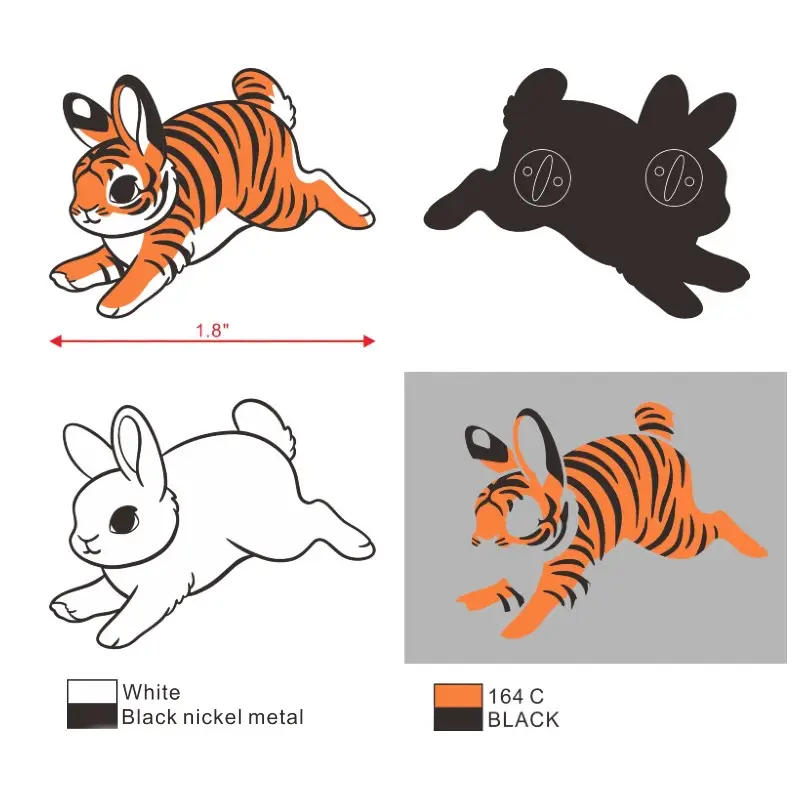
Once we receive your artwork, we’ll prepare a production-ready design for you. This includes matching colors using Pantone references and separating the design into layers that can be used for manufacturing.
Our goal is to make sure your original design can be accurately translated into a real enamel pin before production begins.
How many colors can I use in my design?
There’s no strict minimum or maximum. We usually recommend using under 10 colors. While we have made pins with 50-60 colors before, the price can get very high.
Do I need to prepare Pantone colors myself?
No, we’ll handle the color matching for you. You can also choose your preferred colors from our Pantone color chart, and we’ll adjust them to fit your design. Once the production artwork is ready, we’ll send it for your review so you can check details and request any changes before we move into production.
Why is my design split into multiple layers?
We separate your artwork into layers based on different production effects. For example, glitter, silk screen printing, or UV printing will each be placed in its own layer. The base layer is the standard enamel color. This helps ensure each effect is applied correctly during production and keeps the final result consistent with your design. If you’re not familiar with these effects, you can refer to our special effects guide.
Why have some of my colors been adjusted?
Not all HEX or CMYK colors have an exact match in the Pantone system. In these cases, we select the closest available Pantone color to keep the design as accurate as possible. You can also choose from our color selector if you want more control over the result. In addition, if your design uses too many colors, it may increase production cost, so we may combine similar shades to help keep your budget under control.
STEP 3
Help You Complete the Back
If you have branding or promotional needs, we can also help you complete the back of the pin and the backing card design.
How many pin posts do I need?
We’ll recommend the number and placement based on your pin size and design, and include it in the artwork for you to review. You can adjust it if needed.
| Pin Size | Recommended Pin Backs | Reason |
|---|---|---|
| < 1 inch | 1 | Generally sufficient |
| 1–1.5 inch | 1–2 | Prevents rotation |
| > 1.5 inch | 2–3 | Prevents tilting |
Can I add my logo on the back of the pin?
Yes. We can add your logo or design to the back of the pin using either laser engraving or mold stamping. Mold stamping has a slightly higher cost, but gives a cleaner and more defined metal finish.
Can you make the backing card as well?
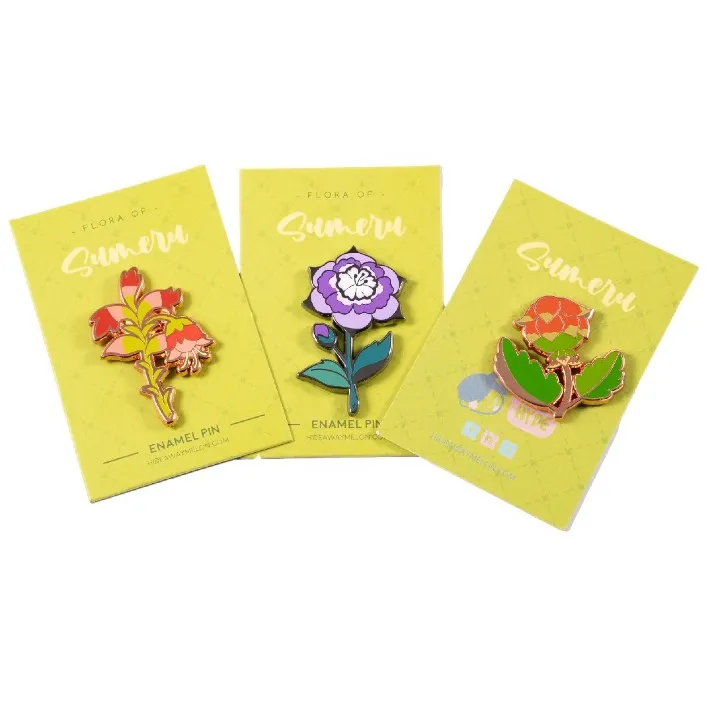
Yes. You’ll need to provide or confirm the card design, and we’ll include it in the artwork so you can check how everything looks together before production. If you’re not sure how to design a backing card, you can refer to our backing card guide.
STEP 4
Finalize Your Production Details
Most customers go through a few rounds of feedback before confirming their design, adjusting details like color, size, and plating options. Once we receive your feedback, we’ll make the necessary changes. Once everything is confirmed and you’re happy with the design, we’ll begin mass production.
Why might the size of my pin be slightly larger than expected?
This is a result of production processes. Sometimes, the smallest color block for enamel must be at least 0.3mm, or the mold may not be able to cut such small details. Our representative will confirm these details with you before production and make any necessary adjustments, so you don’t have to worry about errors during production.
Can I track the progress of my product during production?
Absolutely! Our representative will keep you updated throughout the production process. For reference, mold production takes 3-4 days, stamping takes 1 day, enamel filling and polishing take 3 days, and plating takes another 3 days. If your pin involves printing or special effects, production may take an additional 1-2 weeks.
Why does soft enamel pin production take less time than hard enamel pins?
The production processes are different. For soft enamel pins, all colors are applied at once and then baked. For hard enamel pins, each color is applied separately and baked before the next color is added, which takes more time.
Can I make adjustments if I’m not happy with some parts of the product during production?
If the product doesn’t match the approved design, we’ll make free adjustments before shipping.
STEP 5
Pin Quality Control
During mass production, our factory’s quality control team conducts a thorough inspection to ensure that every pin meets our high standards. We check for defects in the enamel fill, plating, pin post alignment, and other details. Before shipping, your dedicated rep will also perform a final inspection to ensure everything is perfect. If any issues arise, we’ll address them before proceeding with shipping.
What is your defect rate after delivery?
Most of our orders are delivered with very consistent quality. Based on customer feedback, the majority of pins meet A-grade or B-grade standards, with very few lower-grade pieces. You can refer to our grading guide for more details.
Are small imperfections normal in enamel pins?
Minor variations can happen due to the production process, especially with steps like enamel filling and polishing. However, anything that affects the overall appearance will be filtered out during quality control.
What happens if there’s a defect?
If any issues are found during production, we’ll fix them before shipping. In rare cases where rework is needed, the timeline depends on the severity of the issue. Production-related problems are handled by us to ensure you receive a satisfactory result.

FINAL STEP
We Make It and Ship It to You
Once your pins pass final inspection, we’ll pack them carefully and ship them to your address. Your rep will handle the shipping details and keep you updated until delivery.
How long does shipping take?
Shipping time depends on your location and the shipping method. Express shipping usually takes around 3–7 days, while standard shipping may take longer. Your rep will confirm the timeline with you before shipment.
How much does shipping cost?
Shipping costs vary based on the package size, weight, and destination. We’ll provide a clear quote before shipping so you know exactly what to expect.
Will I get a tracking number?
Yes. Once your order is shipped, we’ll send you the tracking information so you can follow the delivery.
Do I need to pay customs or import taxes?
If you choose our DDP shipping option, duties and taxes are included. It’s cheaper than paying them yourself. If you use your own courier or a non-DDP method, customs fees may still apply depending on your country.